

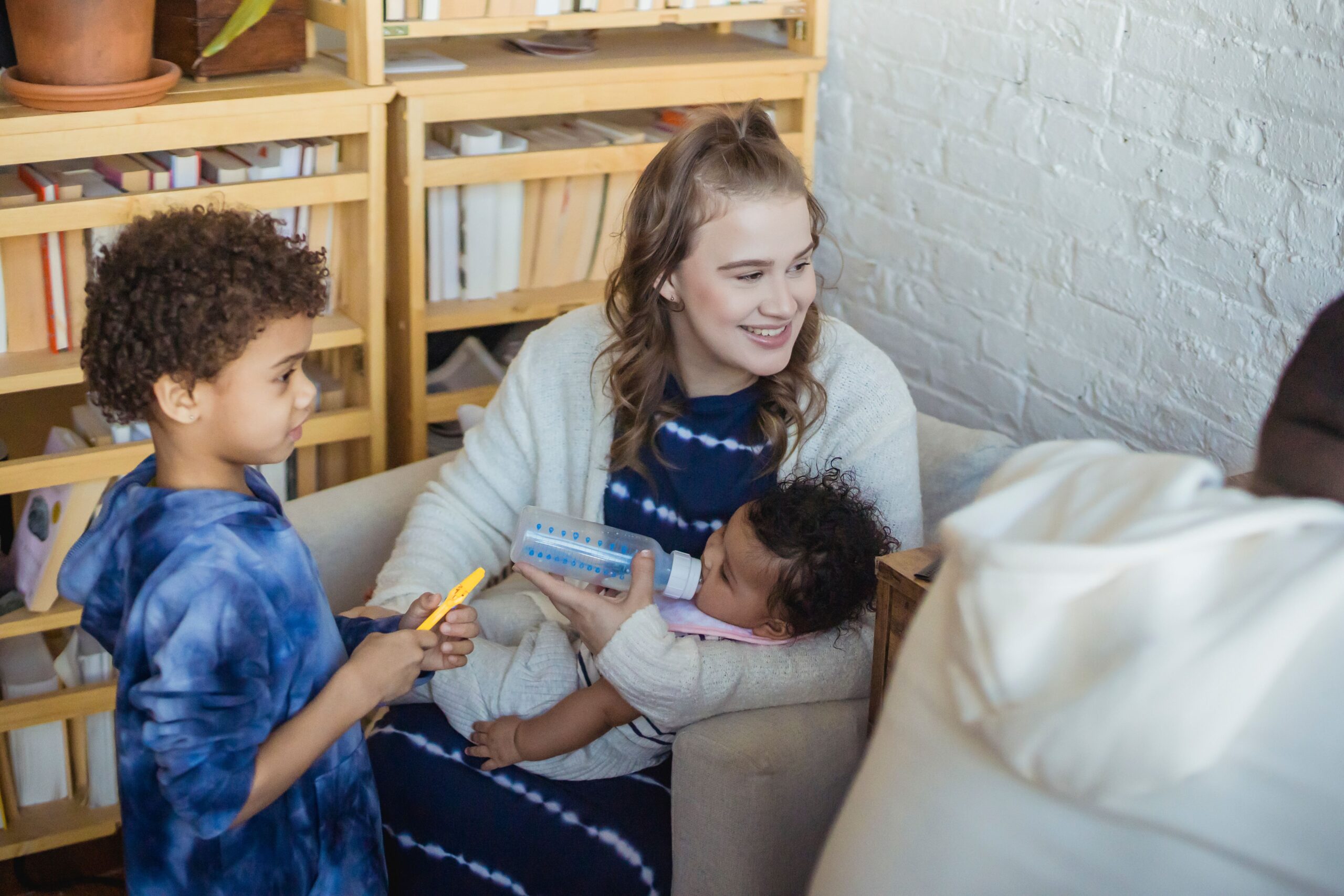
A 3 hour workshop for practitioners in family and domestic violence services
This workshop explores what it means to be truly child safe and inclusive in family and domestic violence (FDSV) practice, recognising children and young people as victim survivors in their own right, with their own unique experiences, risks, protective factors and strengths. It examines the evidence on how family and domestic violence impacts children and young people’s wellbeing in both the short and long term, while affirming that no child should be defined solely by the violence and trauma they have experienced.
Drawing on key principles of child-centred practice, the session covers how to prioritise children and young people’s safety and wellbeing, assess imminent risk and holistic support needs, recognise each child as an individual with unique needs and wishes, support families to care for their children wherever possible, and involve children and young people in decisions that affect their lives in developmentally appropriate ways.
Practitioners will also consider the practical and relational risks involved in child-centred support, including the impact of disclosure on a child’s safety and on relationships with non-abusive parents and siblings, and how to apply consistent, guided risk assessment for both adult and child victim survivors. The workshop addresses culturally appropriate practice across diverse family structures, the National Child Safe Principles, mandatory reporting obligations under the Children’s and Community Services Act 2004 (WA), and responding to adolescent violence in the home.
By the end of the workshop, participants will be able to embed child-safe, trauma-informed, and rights-based approaches into their practice, ensuring children and young people are seen, heard, and safely supported alongside the adult victim survivors in their lives.
Duration: 3 hours
Audience: Practitioners working in specialist family and domestic violence services